Ban the Keeping of Exotic Birds
Ban the Keeping of Exotic Birds
Trigger warning: Please be aware this page contains images and descriptions of cruelty that some people may find distressing.
African Grey parrot ‘Coco’ spent over 20 years alone in a cage. Please help us change the law that let it happen.
Coco's story
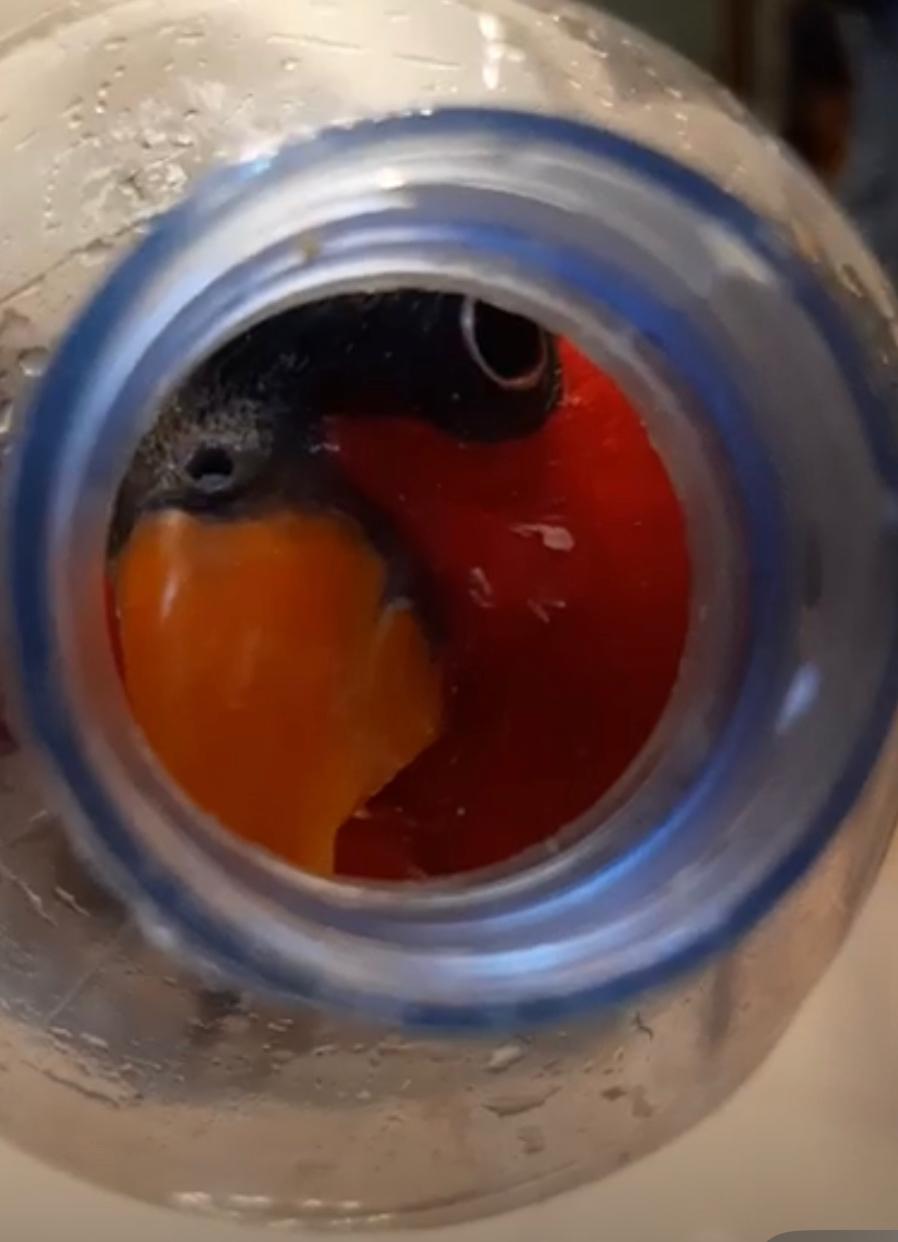
Coco hatched as a chick in the Congo rainforest 20 Years ago. She was taken from the wild, cruelly crammed into a plastic bottle, and trafficked thousands of miles to the UK. Since then she has been passed from owner to owner, and kept in solitary confinement for her entire life. No flock, no forest, none of the things a wild bird's body and mind need.
Coco has never forgotten her home. To this day she sometimes makes the calls of the primates that lived alongside her in the Congo canopy. It is truly haunting. African grey parrots are highly intelligent and have a huge capacity to suffer. The trauma from the cruel experiences she has endured, has left deep marks. Coco self-mutilates, tearing out her own feathers. She has done it for so long that her feathers will never grow back.
She is safe now, thanks to very mindful rescuers who provide her the right diet and endless enrichment. But safety came far too late. Her damage is permanent and other exotic birds will not be so lucky.
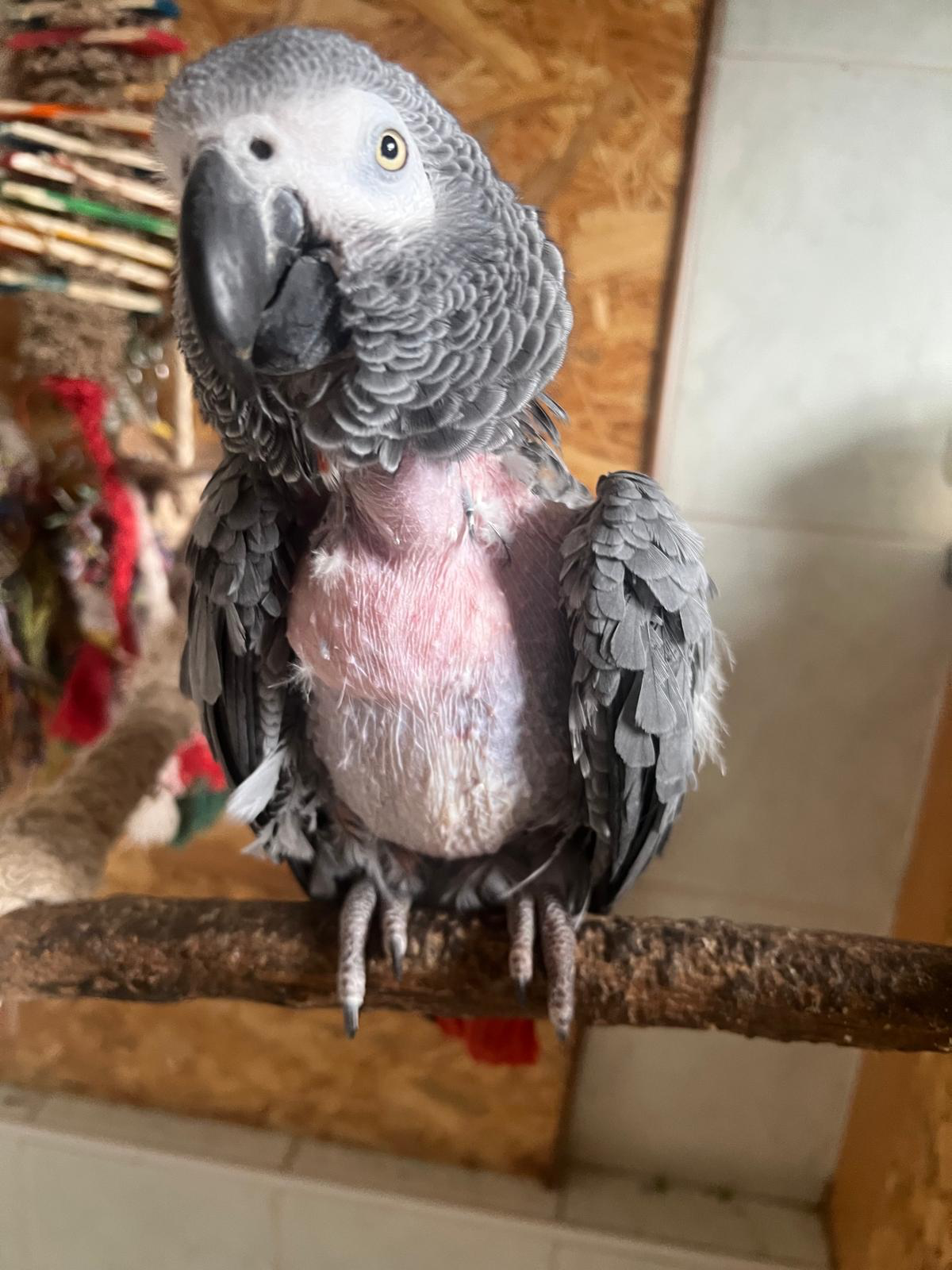
Coco is one bird. But she represents hundreds of thousands. The majority die during transit.
This is the exotic bird trade
Exotic birds are wild animals with complex physical, social and behavioural needs. They are highly intelligent, and they have a huge capacity to suffer. Born to fly and to live in flocks; in captivity they face extreme stress, frustration and loneliness. Many self-mutilate, pluck their feathers, or die from poor diets, untreated disease or neglect.
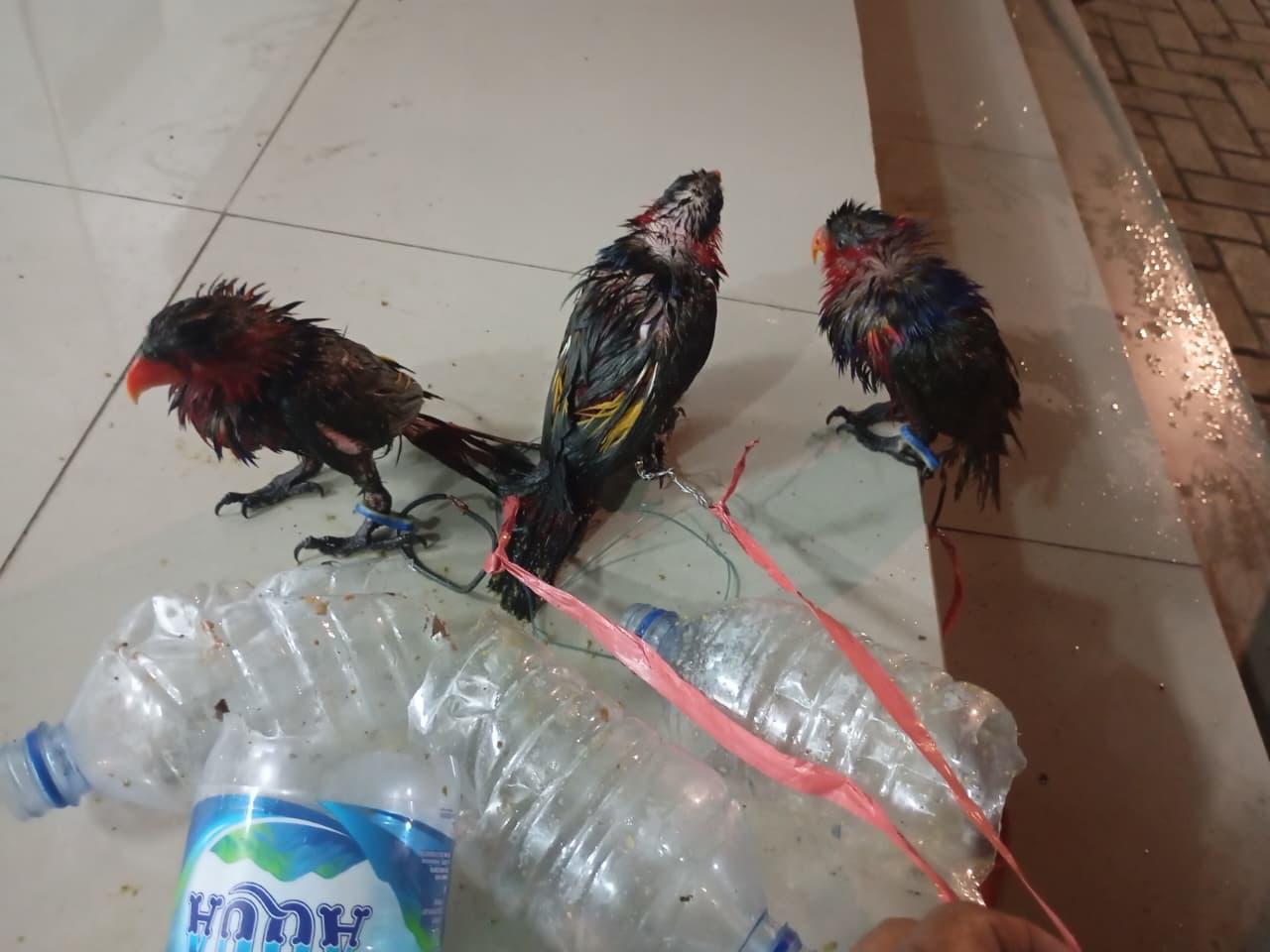
Birds taken from the wild endure brutal capture methods, using snares and glue traps, plus cruel and unsanitary transport conditions; the majority die before ever reaching a buyer.
This Is Not Only a Welfare Issue
The demand for rare exotic pets means the illegal market is booming. Animals are falsely described as captive-bred and sold through online markets and private networks.
The more profitable exotic animals become, the greater the incentive to take them from the wild and increases the risk of the species being pushed to extinction (many species are already extinct in certain regions).
The UK is both a market for exotic animals and a major transport hub. Reduce private demand, and you cut the profits that make trafficking worthwhile. Captive breeding is becoming increasingly hard to tell apart from illegal capture from the wild.
This isn't about blaming individual owners; It's about recognising that a private bird trade cannot reliably protect animal welfare, endangered species, or public safety. The system itself is the problem. The legal trade allows the illegal trade to flourish.
The legal action we're funding
We have instructed Richard Buxton Solicitors to help us to:
Ban the private ownership of exotic bird species in the UK as an important first step.
Our longer-term legal aims also include:
Ending the ownership and commercial sales of all exotic animals in the UK
Require responsible, licensed rehoming of animals already in private ownership
Require licensing for specialist sanctuaries and rescue centres
Development and implementation of International/worldwide legislative framework, with a focus on supply/source countries.
Gather intelligence using informant networks and undercover investigative work, to disrupt the illegal trade, both increasing confiscations and prosecutions.
Why now
Our intelligence indicates that the trafficking of exotic birds is on the increase, so time is of the essence. Many trafficked species are on the brink of extinction. There is no time to wait. We are actively in talks with members of parliament, and as with any piece of legislation this process is time consuming. Our hope is to have the bill submitted before the 2027 recess deadline.
Who we are
Leading the campaign is Dr Paul O’Donoghue who has spent 25 years combating the illegal wildlife trade. He says:
‘The cruelty I have witnessed first hand is beyond disturbing and haunts me. I can either turn a blind eye or do something to stop it. I decide to fight for every innocent animal caught up in this most barbaric trade. From the bottom of my heart I urge you to help me stop this cruel trade and stop this suffering forever’.
Please help
Coco can't get her years, her flock, or her feathers back. But we can save the next Coco from exploitation and chronic suffering.
Please donate today to fund the legal work that could end the private exotic bird trade in the UK.
Please also share Coco's story. Every share and donation brings up one step closer to ending this suffering. Thank you
Recent contributions